Home bakeries rarely fail because the food isn't good. More often, the baker is busy every weekend and still not making money, because the prices never covered the real cost of the work. The good news is that underpricing usually comes from a handful of predictable mistakes, and each one has a straightforward fix. This guide walks through the seven most common, then shows a simple method for pricing baked goods properly.
What's the biggest pricing mistake home bakers make?
The biggest mistake is not paying yourself. Many home bakers price at ingredients plus a small markup, which means every hour of baking, decorating and packing is unpaid. Pricing properly starts with an hourly rate for your time, then adds ingredients, packaging, overhead and a profit margin on top.
If your prices only work because your time is free, the business can't grow, and you can't afford to hire help later.
What are the seven most common mistakes?
1. Not counting your time
Every order includes shopping, baking, decorating, packaging, messaging the customer and cleaning up. Put an hourly rate on all of it. Time is usually the largest cost in custom baking.
2. Forgetting packaging
Boxes, cake boards, liners, bags, labels and ribbon feel like small costs, but on some orders they rival the ingredients. Price them into every order.
3. Ignoring overhead
Your oven, mixer and pans wear out. Electricity isn't free. A simple overhead percentage (10% is a common starting point) keeps those costs from quietly eating your profit.
4. Confusing wage with profit
Paying yourself an hourly rate isn't profit — it's a cost. Profit is what's left for the business after you're paid. A 30% margin on top of your full costs gives the business room to buy equipment, cover slow weeks and grow.
5. Pricing custom work like standard work
A custom-decorated cake can take several times longer than a simple one with the same ingredients. Charge for the extra time with design tiers or a design fee, as explained in how to price custom cakes per serving.
6. Absorbing delivery
Delivery takes driving time, fuel and, for tiered cakes, setup. Charge a separate delivery fee so pickup customers aren't paying for someone else's delivery.
7. Copying a competitor's prices
A competitor's price tells you what the market will accept, not what your costs are. They may be underpricing too. Work out your own cost-based price first, then compare.
How do you price baked goods the right way?
Use the same steps for every product:
- Add up the batch's ingredients and packaging.
- Add your hands-on time × your hourly rate.
- Add overhead as a percentage of those costs.
- Add a profit margin — divide the total cost by (1 − margin). A 30% margin means dividing by 0.7.
- Divide by the number of pieces or servings the batch makes.
| Step | Example: 24 cupcakes |
|---|---|
| Ingredients + packaging | $20.00 |
| Time: 2.5 hours × $20 | $50.00 |
| Overhead: 10% | $7.00 |
| Total cost | $77.00 |
| Price at 30% margin | $110.00 |
| Per cupcake / per dozen | $4.58 / $55.00 |
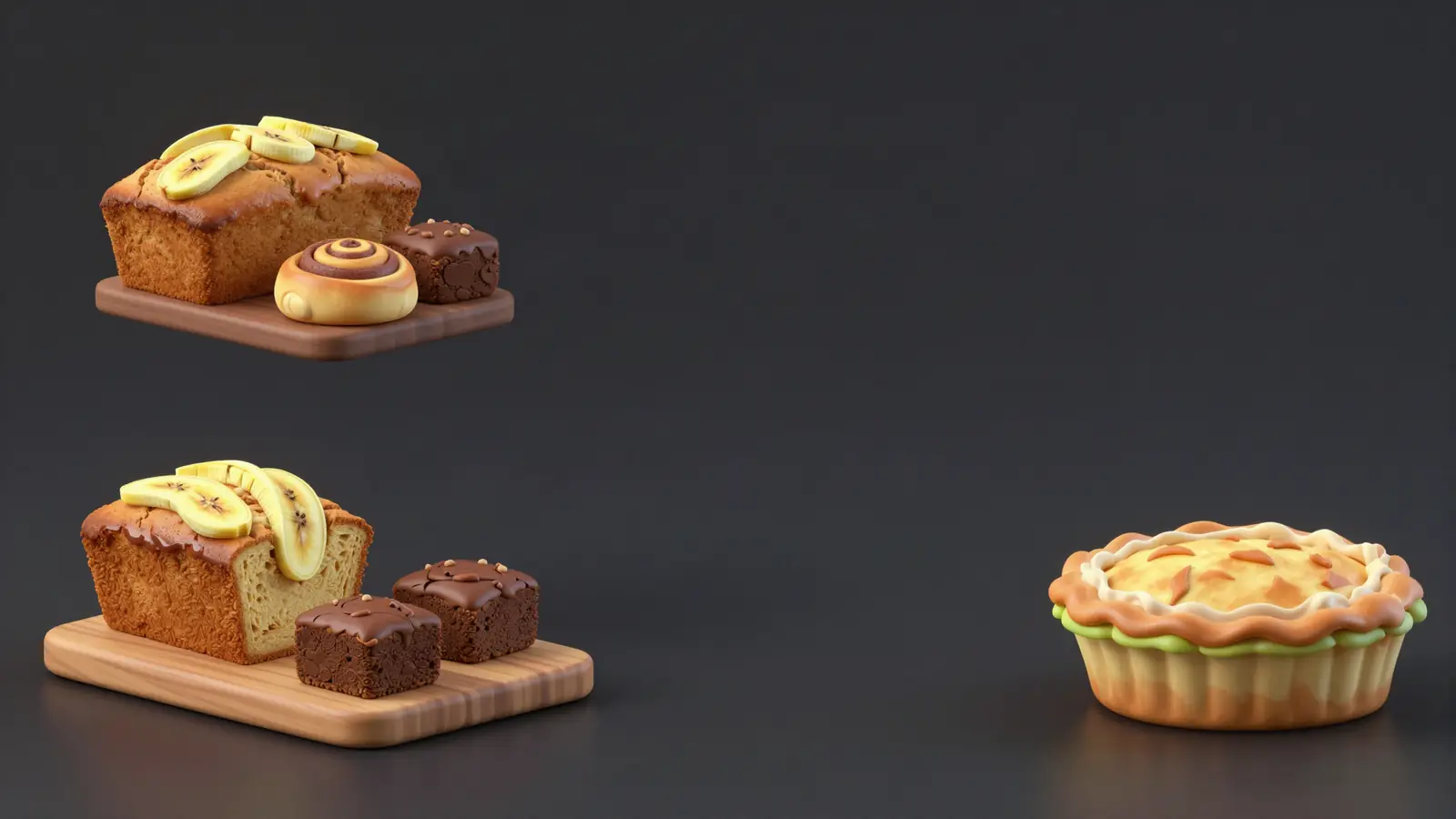
Our cupcake pricing guide walks through this example in detail, and the same method works for cookies and sourdough. To see the formula applied to banana bread, cinnamon rolls, brownies and pie, read how much to charge for baked goods.
What about cottage food laws?
Selling baked goods from home in the US is governed by state cottage food laws. The Institute for Justice reports that all 50 states and D.C. have some form of cottage food program, but the rules on permits, labels, where you can sell and annual sales limits vary widely. Check your state's rules — some also affect things like online ordering and delivery.