calculator
3D Printing Cost Calculator
Work out what to charge for a 3D print — material, electricity, printer wear, failed prints and your time.
The print
Copy material and time straight from your slicer.
Machine costs
What running the printer really costs per job.
From your printer's spec sheet or a plug-in power meter.
Shown on your electricity bill.
Hours of printing before it needs replacing or a major rebuild.
Extra % of print costs to cover reprints. If 1 in 10 prints fails, about 11% covers it.
Your time, extras and margin
Setup, support removal, sanding, painting, packing.
Magnets, inserts, paint, packaging.
The least you'll take a job for, so tiny prints still pay for your setup. 0 for none.
Charge for this print
$13.25
$7.95
Your true cost
$5.30
Profit on this job
$2.65
Price per printer hour
67%
Markup on cost
Where the cost comes from
- Material$1.70 · 21%
- Electricity$0.13 · 2%
- Printer wear$0.40 · 5%
- Failure buffer$0.22 · 3%
- Your time$5.00 · 63%
- Extras$0.50 · 6%
If you sell it on Etsy
US fees- Etsy fees per print
- $1.71
- Profit after fees
- $3.59
Etsy's fees take part of your margin. To keep 40% after them, list it at $16.63.
0 if the buyer pays shipping.
Listing fee, 6.5% transaction fee and 3% + $0.25 processing on this price with free shipping, before Offsite Ads. Profit is what’s left after fees, costs and your own pay. Full Etsy fee breakdown
How we calculated this
- Material: 85 g at $20.00/kg = $1.70.
- Electricity: 150 W for 5 h is 0.75 kWh × $0.17 = $0.13.
- Printer wear: $400.00 spread over 5,000 hours is $0.08 per print hour = $0.40.
- A 10% failure buffer on material, electricity and printer wear adds $0.22 to cover reprints.
- Adding your 15 min of hands-on time ($5.00) and $0.50 in extras gives $7.95; a 40% margin makes the job $13.25.
Ready to sell from your own online store?
We build WooCommerce stores for makers — no per-sale marketplace commission, your own customer list, your brand. Leave your email for a free quote.
How this works
Adds material, electricity, printer wear spread over its lifetime, a failure buffer, your hands-on time and extras, then applies your margin. The electricity rate is an example: use the one on your bill.
Last reviewed
FAQ
Start from your real cost: material, electricity, printer wear, a buffer for failed prints, and your hands-on time. Then add a profit margin. Material alone is often a small part of the total — which is why pricing by filament weight tends to undercharge. Enter your slicer's numbers above to see the full breakdown.
Divide what you paid for the printer (plus upgrades) by the number of printing hours you expect before it needs replacing or a major rebuild, then multiply by this job's print time. It turns a big one-off purchase into a small, honest per-hour cost so every job helps pay the printer back.
Some prints fail — warping, adhesion problems, spaghetti. Those reprints burn material, electricity and machine time. A failure buffer spreads that cost across successful jobs so you aren't absorbing it. Set it to match your own experience; well-tuned printers need less.
Yes. Switch the printer type to Resin and enter resin used in millilitres and your resin price per litre. Remember to include washing and curing time in your hands-on minutes, and IPA or gloves under Extras.
Many sellers quote with a per-printer-hour rate once they know their costs. The calculator shows the job's price per printer hour so you can compare jobs, spot ones that tie up your printer for too little money, and set a consistent rate.
Guides for this tool

Can You Sell 3D Prints on Etsy? Fees, Model Licenses and Pricing
Before you list a 3D print, check two things: whether you're allowed to sell that model, and whether your price survives Etsy's fees.

Hamza Iqbal
4 min read
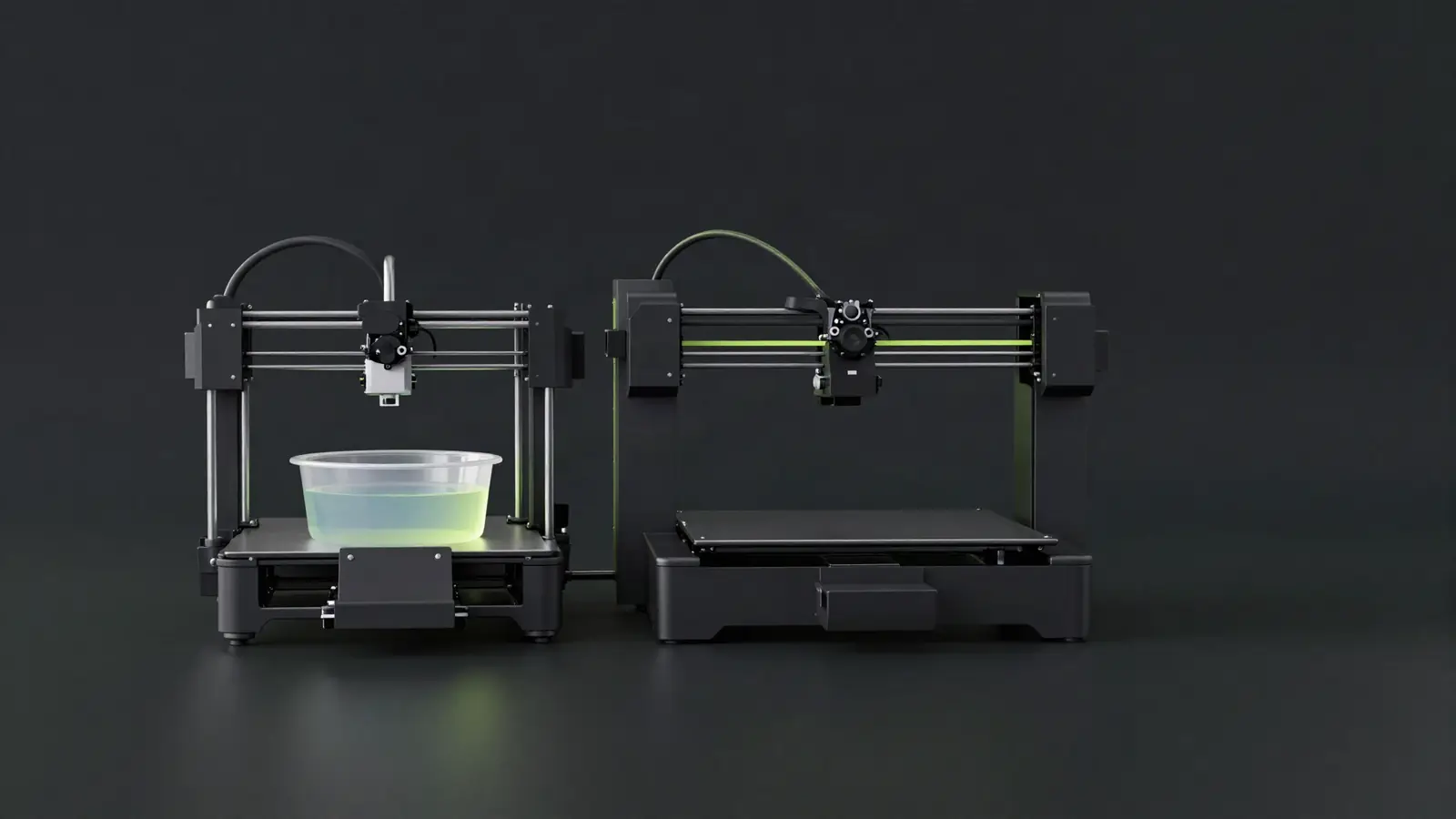
Resin vs Filament: Which 3D Printing Method Costs More Per Print?
Resin often costs more than filament per print — but mostly because of the washing and curing, not the resin.
Hamza Iqbal
4 min read
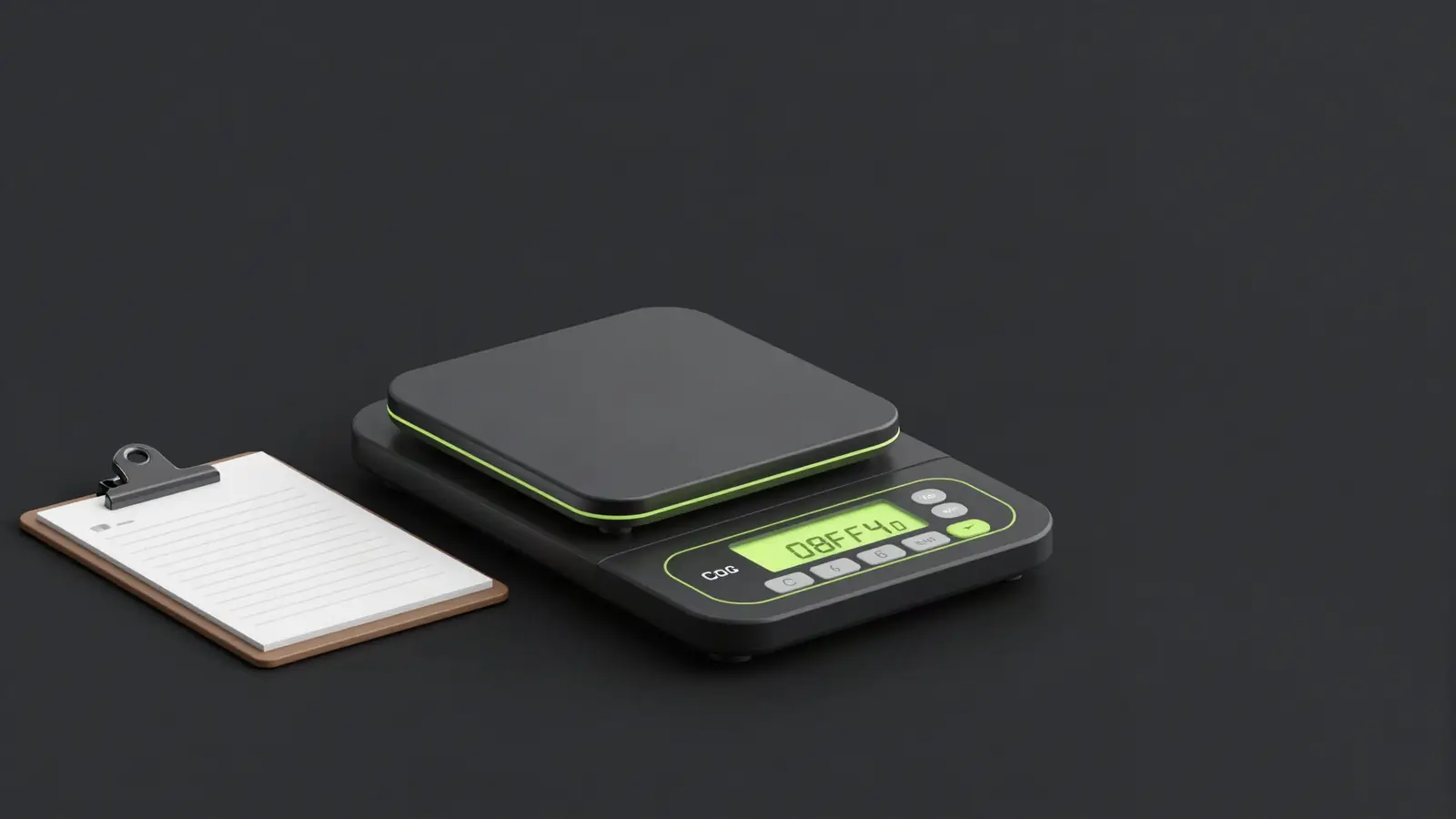
How to Quote 3D Printing Jobs: Per Gram vs Per Hour vs Cost-Plus
Per-gram and per-hour quotes are fast but blind to your time. Here's how to quote jobs so every one is worth taking.
Hamza Iqbal
4 min read

How Much to Charge for 3D Prints: A Cost-Based Pricing Guide
Filament is usually the smallest part of what a 3D print costs you. Here's how to price everything else in.
Hamza Iqbal
5 min read
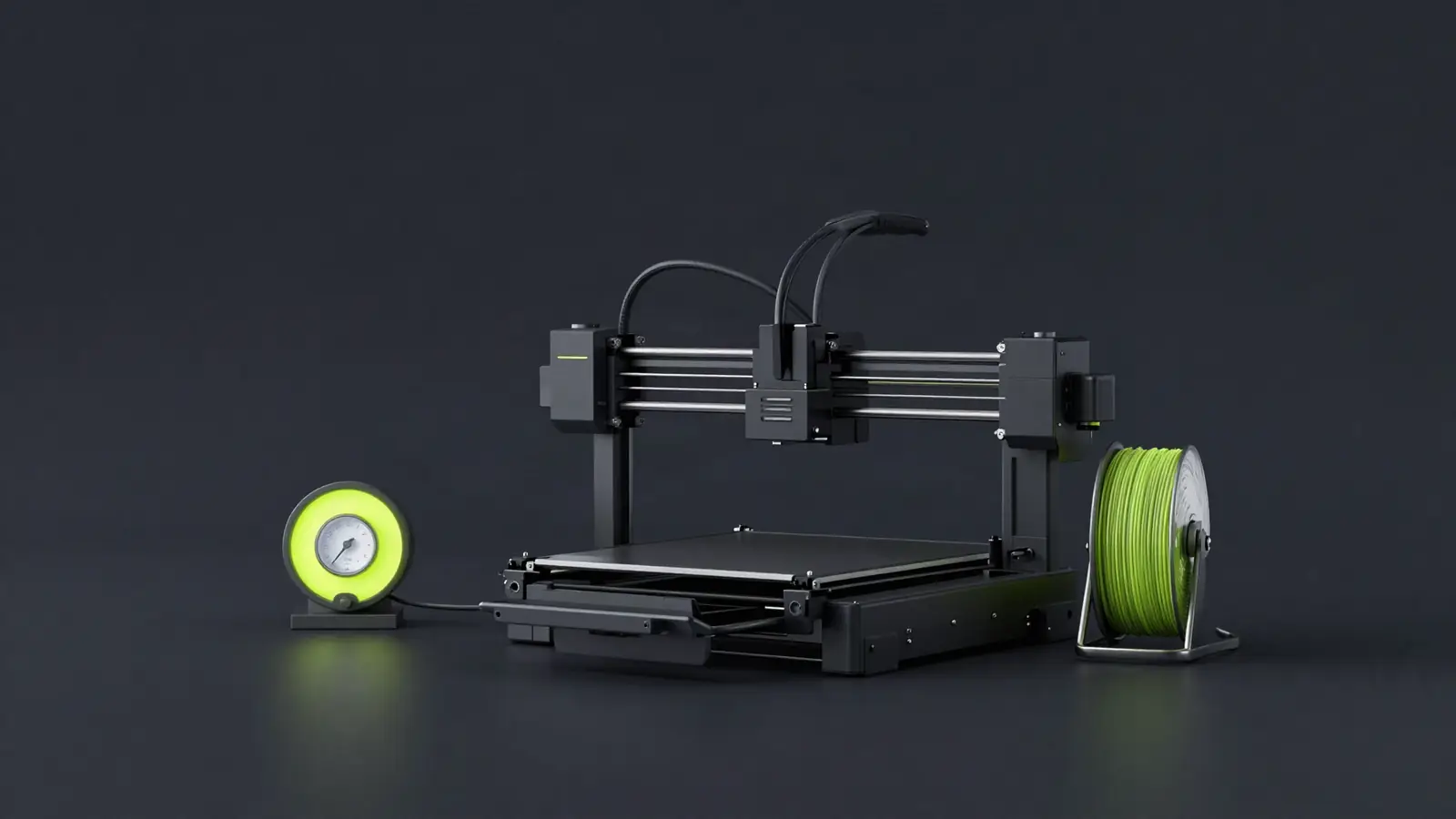
What Does a 3D Printer Cost to Run Per Hour? Electricity, Wear and Filament
Electricity is the cost people worry about most — and usually the smallest. Here's what a printer hour really costs.
Hamza Iqbal
4 min read
Related tools
Candle Pricing Calculator
Find your true cost per candle — wax, fragrance, vessel, wick, packaging and time — plus wholesale and retail prices.
Try itCake Pricing Calculator
Price cakes, cupcakes, cookies and bread so every order covers ingredients, your time and a real profit.
Try itCrochet Pricing Calculator
Price your crochet so the hours you put in actually get paid — and see what the 3× materials rule really earns you.
Try itEmbroidery Pricing Calculator
Quote machine embroidery by stitch count — blanks, digitizing, bulk discounts and profit per machine hour.
Try itSoap Pricing Calculator
Turn your soap recipe into a cost per bar, then wholesale and retail prices that actually pay you.
Try itEtsy Fee Calculator (and Etsy vs Your Own Store)
See every Etsy fee on a sale, your real profit, and the order volume where your own store becomes cheaper.
Try it