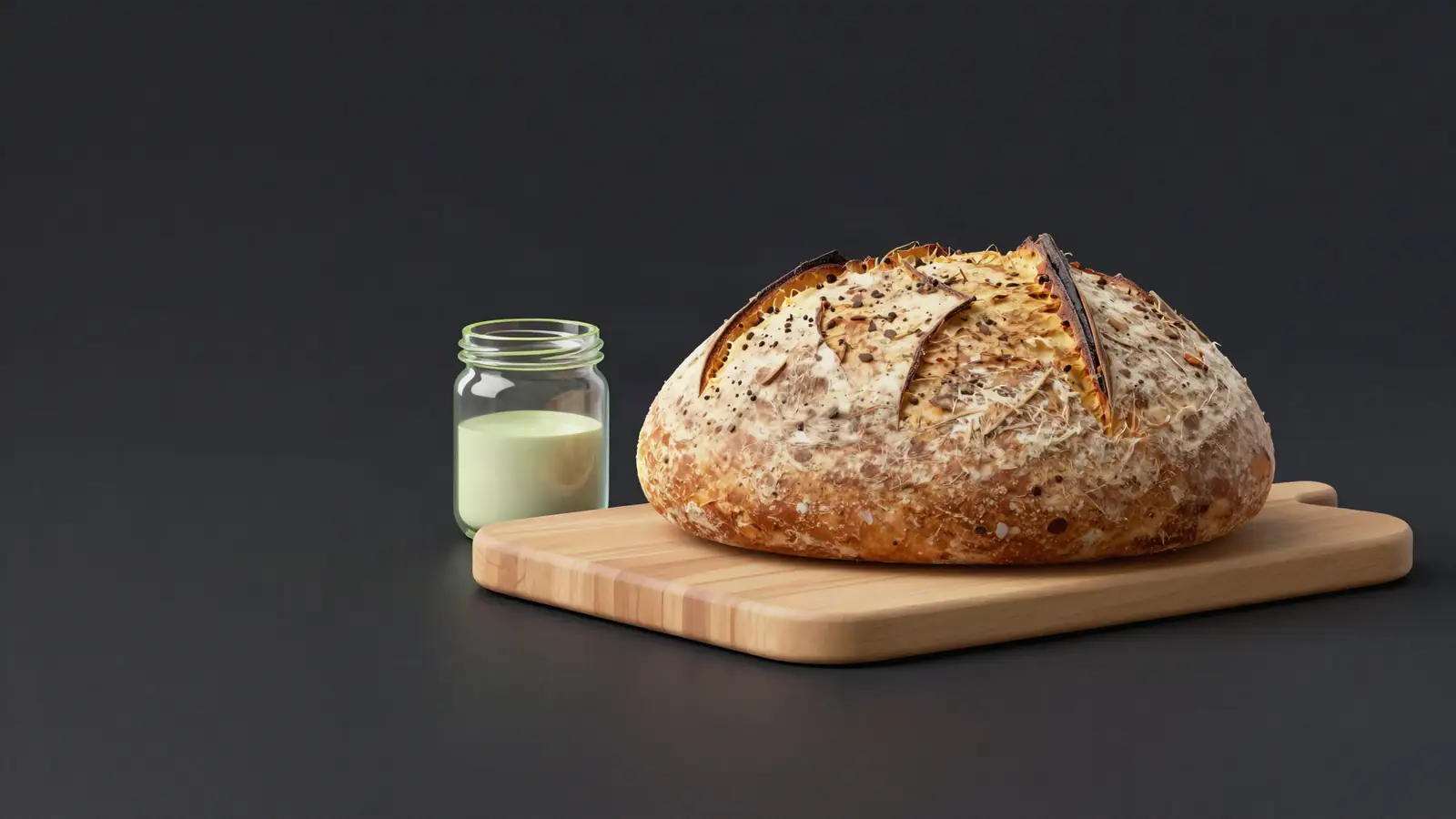
Sourdough has become one of the most popular things home bakers sell, and one of the most confusing to price. Flour, water and salt cost very little, so it's tempting to charge a few dollars a loaf. But sourdough takes skill, planning and a surprising amount of hands-on time spread across a long schedule. This guide shows how to price a loaf so your time is paid, and why baking more loaves at once is the biggest lever you have.
How much should you charge for a loaf of sourdough?
Price sourdough by adding the batch's ingredients, bags and labels, and your hands-on time at an hourly rate, plus a little overhead and profit, then dividing by the number of loaves. In the worked examples below, a batch of 4 loaves works out to about $12.83 a loaf, while a batch of 8 comes to about $9.53 — mostly because your time is spread across more loaves.
Your price will depend on your own costs, time and local market, but the method stays the same.
What should you count as your time?
Sourdough's long fermentation happens while you're doing other things, so don't count every hour the dough is resting. Do count the hands-on work:
- Feeding and preparing the starter for the bake.
- Mixing, folding and shaping.
- Scoring and baking — including preheating and loading.
- Cooling, bagging and labeling.
- Cleanup.
Keep a rough log for one bake day; many bakers are surprised how much active time a batch takes.
What does a worked example look like?
Using an hourly rate of $18, 10% overhead (oven energy, bannetons, parchment, wear) and a 25% profit margin:
| Batch of 4 loaves | Batch of 8 loaves | |
|---|---|---|
| Ingredients | $6.00 | $12.00 |
| Bags and labels | $2.00 | $4.00 |
| Hands-on time | 1.5 hours = $27.00 | 2 hours = $36.00 |
| Overhead (10%) | $3.50 | $5.20 |
| Total cost | $38.50 | $57.20 |
| Batch price at 25% margin | $51.33 | $76.27 |
| Price per loaf | $12.83 | $9.53 |
Doubling the batch only added half an hour of hands-on time, so the time cost per loaf dropped from $6.75 to $4.50. That's the main reason larger batches let you charge less without earning less.
How do add-ins and specialty loaves change the price?
Inclusions like cheese, jalapeños, seeds, olives or dried fruit can cost more than the base dough, and some take extra shaping time. Price them as separate products with their own ingredient costs rather than charging the same for every loaf. A plain loaf and a cheddar-jalapeño loaf rarely cost the same to make. If you sell other bakes alongside your bread, one pricing formula for every baked good keeps them all on the same footing.
What should you check before selling bread from home?
In the US, selling homemade food is governed by state cottage food laws. According to the Institute for Justice, all 50 states and Washington, D.C. have some form of cottage food program, but the rules on what you can sell, where, labeling and sales limits vary a lot. Check your state's rules before you start taking orders.
How do you sanity-check your sourdough price?
Compare your cost-based price with local bakeries and farmers' market sellers. If yours is higher, the fix is usually a bigger batch or a more efficient bake day rather than a lower hourly rate. If it's lower, you may be leaving money on the table — artisan bread buyers often expect to pay for quality.
Two related reads: how to price custom cakes per serving, and the most common home bakery pricing mistakes.